English (Original)
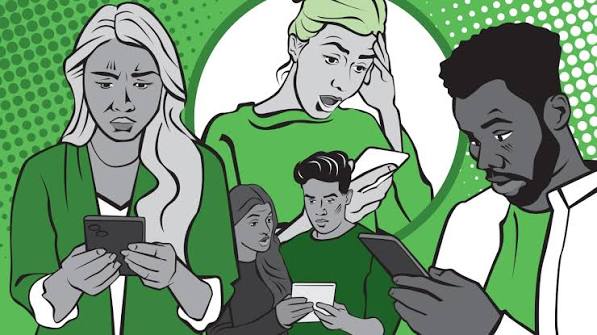
Social media has changed the way people look for health advice. Instead of visiting a doctor, many now search online or ask their followers. This can be useful, but it also allows false information to spread rapidly. Medical misinformation includes claims such as miracle cures, dangerous diets and warnings about safe treatments. During the COVID-19 pandemic, the World Health Organization used the word “infodemic” to describe the flood of true and false information that confused the public. Some people refused effective treatments, while others tried unproven remedies that could cause harm. There are several reasons why these claims travel so far. Social media platforms often promote content that provokes strong emotions, and fear or anger can attract more attention than careful, balanced explanations. Furthermore, a personal story can feel more convincing than scientific data, even when it is not typical. Influencers who sell supplements or wellness products may also have financial reasons to exaggerate their claims. The consequences can be serious. Patients may delay proper treatment, stop taking necessary medication or lose trust in healthcare professionals. Young people, who spend the most time online, can be especially vulnerable. Platforms have responded by adding warning labels, removing harmful posts and highlighting information from health authorities. However, critics argue that these measures are inconsistent, and that deciding what counts as misinformation is not always simple, because scientific understanding can change over time. Experts therefore encourage users to check the source of a claim, ask whether it is supported by research and be suspicious of promises that seem too good to be true. Above all, anyone with a health concern should speak to a qualified professional before making decisions.